
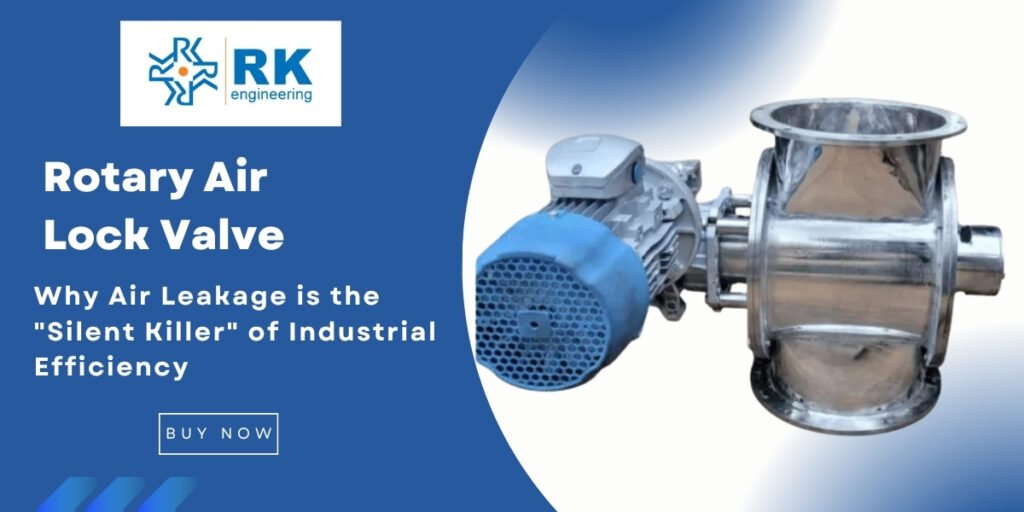
In any high-performance industrial drying or material handling system, the Rotary Airlock Valve acts as the critical gatekeeper. It is the primary boundary between high-pressure and low-pressure zones. Whether your system involves a massive Spray Dryer setup or a compact Spin Flash Dryer, the airlock valve is responsible for controlling the flow of material while preventing air from escaping or entering the system uncontrollably.
When air begins to leak through the rotor-housing gap, the consequences are immediate and costly. You aren’t just losing air; you are losing thermal energy, reducing conveying capacity, and, most dangerously, risking cross-contamination of your processed materials. If your current system is showing signs of instability, it is time to evaluate the precision of your hardware. A high-quality Rotary Air Lock Valve is specifically engineered to minimize these critical gaps, ensuring your system maintains peak performance even under high differential pressure environments.
Send Inquiry
Fill the form and our team will contact you shortly.
1. Identifying the Root Causes of Pressure Loss
Before you attempt a repair, you must accurately identify the “leak path.” Most engineers struggle because they address the symptoms (like dust escape) rather than the root cause (mechanical wear). Here are the most common culprits:
Rotor Vane Wear: This is the most frequent cause. If you are handling abrasive materials, the tips of the rotor vanes will naturally wear down over time. This creates a larger gap between the rotor and the housing, which is an open invitation for air to escape.
Thermal Expansion: In systems integrated with a Hot Air Generator, the temperature fluctuations are extreme. If the valve is not built with the correct thermal clearance tolerances, the internal components can expand and contract, leading to uneven gaps and leaks during peak operating temperatures.
Pressure Differential Extremes: Every valve has a design limit for differential pressure. If your process pressure exceeds the valve’s threshold, air will force its way through even the tightest clearances.
Seal Degradation: The shaft seals (gland packing or mechanical seals) are the most vulnerable parts. If these are improperly seated or have hardened over time due to heat, they will allow “blow-by,” causing both dust emissions and fluctuating pressure levels in your pneumatic lines.
2. Expert Troubleshooting Checklist for Maintenance Teams
If your drying or conveying system is losing efficiency, do not rush to replace the entire unit. Follow this technical checklist to diagnose and rectify the issue:
Feeler Gauge Testing: This is your primary diagnostic tool. Use a feeler gauge to measure the gap between the rotor vane tips and the valve housing. If the clearance exceeds the manufacturer’s recommendation (typically >0.2mm for fine powders, though this varies by application), your valve is losing efficiency. You may need to re-shim the rotor or, in extreme cases, have it refurbished.
Inspect Shaft Seals: Examine the stuffing box. If you see material build-up, hardening, or “weeping” of lubricants, the seal is compromised. Replace these immediately, as they are inexpensive but critical for maintaining the pressure seal.
Monitor Motor Amperage: Often overlooked, this is a great early-warning system. An unexplained increase in motor amperage can indicate internal friction caused by material build-up. If the motor is working harder than usual, it’s only a matter of time before the mechanical seal fails and air leakage begins.
Check Bearing Health: Worn bearings allow the rotor to shift off-center. When the rotor isn’t perfectly centered, one side of the valve will have excessive clearance while the other might rub against the housing. This causes both leaks and catastrophic mechanical damage.
3. Implementing a Long-Term Maintenance Strategy
Don’t wait for a total system shutdown. To keep your plant running at maximum profitability, you need to treat maintenance as a proactive process, not a reactive one.
Quarterly Inspections: Include your airlock valves in your scheduled plant maintenance. This should include checking drive chain tension, cleaning vent ports to prevent pressure build-up, and ensuring that your Direct Fire FBC Furnace or heating unit is feeding the system at the correct pressure.
Lubrication Management: Use the correct high-temperature grease. Standard lubricants will melt and fail under the heat common in drying circuits, leading to bearing failure and, eventually, valve misalignment.
Material Compatibility: Ensure your valve is matched to your feed. If you are processing corrosive chemicals or highly abrasive minerals, ensure your valve features wear-resistant coatings or specialized alloys.
Why Precision Matters for Your Bottom Line
A well-maintained airlock valve is more than just a piece of hardware; it is an energy-saving device. By preventing air loss, you reduce the load on your blower and heating systems, directly lowering your fuel and electricity costs. Whether you are using a Thermic Fluid Heater to maintain process temperature or running a large-scale dryer, every bit of lost pressure is money wasted.
Need a Robust Industrial Solution?
If your current valve is beyond repair, or if you are consistently facing downtime that is costing you production volume, it is time to upgrade to a high-precision, heavy-duty unit. We provide industrial-grade airlock valves designed for harsh environments, minimal leakage, and extended service life.
Explore our full range of high-performance Rotary Air Lock Valves here—engineered specifically for the rigorous demands of chemical, food, and mineral processing industries.
Contact our engineering team for a custom sizing consultation to ensure your valve matches your system’s specific pressure and throughput requirements.
